
The 2026 Guide to Pallet Load Containment: Avoiding Transit Damage and Chain of Responsibility Risks
30 March 2026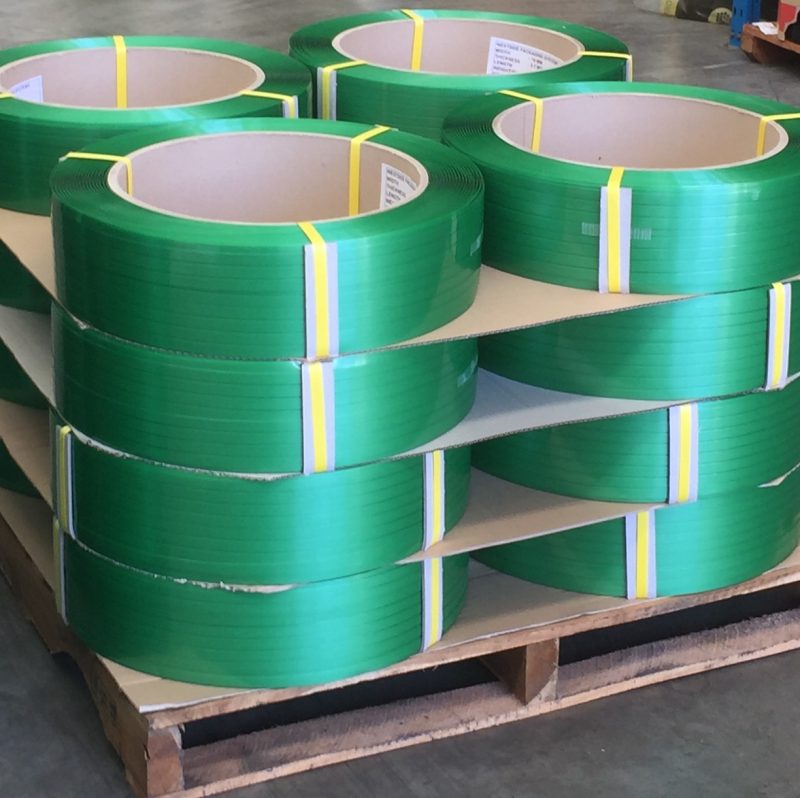
Westside Packaging Systems helps businesses reduce transit damage and CoR risk with compliant pallet load containment from an industrial packaging supplier.
Pallet load containment is no longer just about preventing damaged cartons or rejected deliveries. Poorly contained pallets can expose businesses to serious safety, legal and financial risks under Australia’s Chain of Responsibility (CoR) laws. As compliance expectations tighten in 2026, working with a knowledgeable industrial packaging supplier has become essential for managing transport risk and protecting people, products and business continuity across the supply chain.
Why Poor Pallet Load Containment Creates Chain of Responsibility Risks
Under Australia’s Heavy Vehicle National Law (HVNL), any party involved in the loading, packing or dispatch of goods can be held accountable if a load is unsafe, including consignors, packers, warehouse operators and receivers. Poorly unitised or unstable pallet loads can shift during braking, cornering or sudden manoeuvres, creating risks that extend beyond damaged goods to vehicle instability, safety hazards and regulatory penalties. Chain of Responsibility laws focus on whether reasonable steps were taken, requiring businesses to ensure pallet containment methods are suitable for real transport conditions, not just warehouse handling.
Common Pallet Containment Mistakes That Lead to Transit Damage
Even experienced operators can fall into avoidable containment errors. Understanding these issues is the first step toward reducing damage and compliance risk.
- Inadequate Pallet Unitisation – A frequent issue is stretch wrap that fails to anchor the load securely to the pallet base, allowing cartons to move independently during transit. Using appropriate materials, such as blown stretch film designed to protect goods during transport, helps improve load stability and consistency.
- Unstable Stacking and Load Configuration – Overhanging cartons, uneven weight distribution and top-heavy pallet builds significantly increase the risk of tipping. These issues are often made worse when pallets lack protective elements such as pallet top sheets for added load protection, which help shield goods from dust, moisture and movement during transport.
- Over-Reliance on Stretch Wrap Alone – Stretch wrap is effective when used correctly, but it is not a standalone solution for all loads. Fragile products, heavy items or high pallets often require additional containment measures such as corner protection, strapping or anti-slip solutions.
- Inconsistent Wrapping Practices – Manual wrapping or uncalibrated machines can lead to inconsistent containment force across pallets. This inconsistency creates unpredictable performance during transport, increasing both damage rates and compliance exposure.
Practical Steps to Improve Pallet Load Containment in 2026
As compliance expectations rise, businesses are moving toward more standardised and documented pallet containment practices. Improving containment does not require over-engineering. It requires consistency and suitability for transport conditions.
Practical steps include:
- Establishing clear pallet containment standards by product type
- Ensuring stretch wrap secures cartons firmly to the pallet base
- Using quality pallets and maintaining consistent stacking patterns
- Adding top sheets, corner protection or strapping where required
- Reviewing whether steel strapping is appropriate for heavier or rigid loads
- Training staff on correct wrapping and pallet-building techniques
Why Choose Westside Packaging Systems as Your Industrial Packaging Supplier
At Westside Packaging Systems, we understand that pallet load containment is about more than packaging; it is about protecting your business, your people and your reputation. As a trusted industrial packaging supplier, we work with Australian businesses to deliver practical, compliant and cost-effective pallet containment solutions suited to real-world transport conditions. Our team provides the right materials, systems and expertise to help reduce transit damage, improve consistency and support your Chain of Responsibility obligations.
Contact us and see how we can help strengthen your pallet load containment strategy for 2026 and beyond.
Related Blog Articles:
Pallet Top Sheets for Sale: Retail-Ready Loads—Keep Packaging Clean for Store Floors
Pallet Top Sheets for Sale: Protecting Dust & Moisture in Australian Storage
Optimized by: Netwizard SEO